💰 Refer us a customer, Earn $2,000 💰



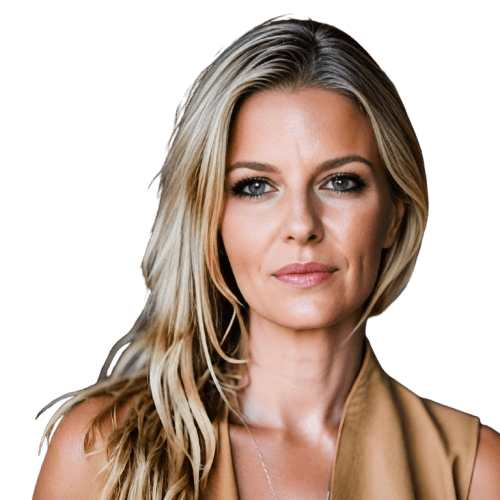
Tushar Ahluwalia
Company
Razor Group
Location
Berlin, Germany
Bio
Serial Entrepreneur with extensive experience in building tech & tech-enabled companies and strong network across the UK, India & Germany.
Serial Entrepreneur with extensive experience in...
description
At Razor Group, we bring together diverse expertise and a relentless passion for growth to acquire and scale profitable Amazon FBA businesses and other online marketplace sellers. Through strategic acquisitions, innovative scaling initiatives, and cutting-edge technology, we’re building the next-generation powerhouse of consumer products.
At Razor Group, we bring together...
Follow the guest


Actionable Takeaways
Master Multi-Channel Early, Even When One Channel Works:
SBL thrived on Facebook lookalike audiences from 2012-2016, building 500K Instagram followers when Facebook CAC was "underpriced." But the mistake was staying online-only too long. By 2018, successful Indian D2C brands realized offline retail stores were actually more profitable on a unit level than online. The lesson: when you find a working channel, use that momentum to build additional distribution before the arbitrage closes. Don't wait until your primary channel becomes expensive.
Made-to-Order Can Bootstrap Growth, But Know When to Scale:
Production SBL used made-to-order manufacturing to conserve capital and grow fast—stitching products only after orders came in because manufacturing was near the warehouse. This worked for rapid expansion but created slower delivery times that hurt retention. The strategic insight: made-to-order is powerful for testing and capital efficiency in early stages, but plan your transition to pre-production as you scale to improve cohort economics and customer experience.
Operational Complexity Is Where Competitive Moats Are Built Razor:
Group didn't win on brand narrative—they won on operational execution. Going from 300 individual warehouses to 13 consolidated facilities, integrating NetSuite 300 times, coordinating 500+ Chinese suppliers via WeChat, passing Big Four audits with unstructured data from 300 acquisitions—this operational discipline became defensible. While competitors focused on "House of Brands" narratives, Razor focused on supply chain mastery. In commoditized markets, operational excellence is the differentiation.
Understand the Real Customer Journey, Not the Marketing Narrative:
The aggregator space sold investors on "building the Procter & Gamble of the future" through branded customer journeys. Reality: 70-99% of revenue came from generic search terms ("toothbrush"), not branded searches. Customers discovered products through non-branded discovery, then converted based on product-market fit on the listing page. The marketing lesson: distinguish between the story that raises capital and the actual customer behavior that drives revenue. Build for reality, not narrative.
Use Consolidation as a Growth Strategy in Contracting Markets:
When the market turned in 2H 2022—COVID tailwinds reversed, margins compressed, interest rates spiked—Razor didn't just optimize. They acquired struggling competitors (Factory14, Valoreo, Strice, Perch, Infinite Commerce) through creative deal structures. The playbook: when assumptions change and capital is constrained, consolidation can unlock synergies and EBITDA that pure organic growth cannot. Being the strongest operator in a struggling category has asymmetric upside.
Build Founding Teams Around Deep Trust, Not Just Complementary:
Skills Tushar's "unorthodox" approach: 4-5 co-founders who've worked together for years and would "sleep on each other's couches." This enabled parallel execution—multiple people making independent, correct decisions simultaneously—which matters more than any individual working 15-hour days. The filter: deep trust first (the scarce resource), then intelligence and complementary skills. Multi-founder teams only work when there's an "invisible thread" of proven reliability through adversity.
Recognize When to Use Gut vs. Spreadsheet Thinking Tushar's advice:
"People over-index on being rational. The neocortex works in Excel, but your gut understands scenarios." In uncertain environments, analytical thinking optimizes for one scenario while intuition can process 50 simultaneously. The lesson for founders: when your analysis says yes but your gut says no—especially in partnership, hiring, or strategic decisions—trust the gut. Your amygdala processes pattern recognition your conscious mind hasn't articulated yet.
Exist in "Schizophrenic" Mindset: Prepare for Death While Building for Dominance:
The most successful founders hold two contradictory beliefs simultaneously: "I'm going to die" and "I'm going to be the best in the world." This duality drives both aggressive growth and defensive preparation. At Razor, constantly thinking about existential threats six months early enabled survival through multiple near-death moments. For entrepreneurs: paranoia and ambition aren't opposites—they're complementary forces that keep you both aggressive and prepared.
Conversation Highlights
In this episode of ICONS, host Roman Kirsch sits down with Tushar Ahluwalia, Co-Founder of Razor Group, to unpack one of the most complex entrepreneurial journeys in e-commerce. Tushar’s career spans three continents and three ventures: building India’s first major D2C fashion brand (SBL) that reached 100 crores in revenue, creating Razor Group into a $700 million revenue aggregator that acquired 300+ Amazon businesses, and now launching ADA AI to solve supply chain complexity with artificial intelligence. This conversation reveals the operational playbooks, capital strategy, and leadership principles behind building at massive scale—plus the hard-earned lessons from navigating board dynamics, capital stack challenges, and market timing.
Topics Discussed:
- Building and scaling D2C brands in emerging markets with limited infrastructure
- Navigating complex board relationships and investor dynamics as a first-time founder
- Timing market opportunities and surviving when assumptions change
- The FBA aggregator model: capital structure, underwriting assumptions, and what actually happened
- Operationalizing extreme complexity: integrating 300 businesses, 500 suppliers, and 5,000 SKUs
- Multi-founder team structures and why trust matters more than pure skill
- Post-COVID market correction and strategic consolidation through M&A
- Building AI-powered supply chain automation for enterprise
- The “human glue” problem in global supply chains and how AI can solve it