💰 Refer us a customer, Earn $2,000 💰



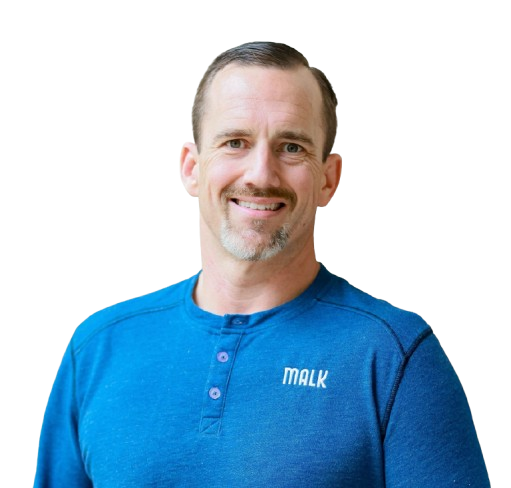
Luke Hejl
Company
TimelyCare
Location
Fort Worth, Texas, United States
Bio
🚀 CEO & Co-founder @ TimelyCare | Transforming student health and well-being and fueling student success through tech 🌐 💡 Passionate about assembling exceptional teams at the intersection of healthcare, higher ed and tech that achieve exceptional results. Thriving on the challenges of company building, I've turned vision into reality @ TimelyCare. 📈 Driving TimelyCare's exponential growth – Trusted to serve 2.3M+ students at 350+ campuses, $65M+ capital raised, top rankings on Inc. 5000 and Tech Titans' Fast Tech lists. 🏅 Team Recognition: Fastest-growing in Fort Worth (Inc. 5000, No. 175), Top Healthcare Employer (Forbes), Achievement in Innovation (D CEO), Best in Business for Mental Health Advocacy (Inc.), Best Virtual Care Platform (MedTech Breakthrough). 🌟 Personal Honors: Finalist for EY Entrepreneur of the Year Southwest Award 2024 | 2023 | 2022 Entrepreneur of Excellence in (Fort Worth Inc.) | Future 50 (Dallas Innovates) | Fort Worth 400 (Fort Worth Inc.) | Dallas 500 (D Magazine) 🌐 Our Mission: To foster student success and improve the health and well-being of campus communities Join us in shaping healthier campuses and communities nationwide!
🚀 CEO & Co-founder @ TimelyCare...
description
Colleges and universities trust TimelyCare to provide complete clinical care, advanced technology, and expert guidance to support students, faculty, and staff. Let’s work together to create a healthier campus through a connected system of care.
Colleges and universities trust TimelyCare to...
Follow the guest


Actionable Takeaways
Lead With Outcomes Data, Not Product Features:
TimelyCare doesn't sell virtual healthcare—they sell measurable institutional outcomes. Their pitch centers on three metrics: 76% of students show reliable improvement in anxiety/depression symptoms after just 3 sessions (versus 10-12 in traditional care), 77% of students report being more likely to stay in classes and graduate, and partner schools see 1.3% higher retention rates. For a university with 20,000 students at $50K tuition, that retention lift translates to millions in retained revenue. Consumer marketers can apply this by quantifying the tangible life outcomes their product delivers, not just features or benefits.
Turn Institutional Objections Into Partnership Opportunities:
When entering the market, TimelyCare faced two core objections from campus health teams: fear of job displacement and skepticism about clinical effectiveness. Rather than fighting these concerns, they reframed their offering as a partnership model that extends campus resources rather than replacing them. They built referral protocols, collaborative care models, and shared outcome tracking. The lesson: when facing entrenched competitors or skeptical gatekeepers, position your product as complementary infrastructure that makes existing solutions better, not obsolete.
Design Rapid Deployment Pathways for Crisis Moments:
During COVID-19, TimelyCare created "Campus Health"—a streamlined 48-hour launch program that allowed panicked universities to deploy virtual care immediately without long-term commitments. This crisis response converted 70%+ of short-term customers into long-term partnerships with institutions like Duke, Johns Hopkins, and Georgetown. The insight: build flexible entry points that match customer urgency levels. When markets shift dramatically, having a "fast start" option can capture customers who need immediate solutions and convert them through excellent execution.
Build Provider/Creator Networks With Strategic Demographic Matching:
TimelyCare maintains a network of 1,000+ providers (mix of W2 and 1099) and uses eight years of data science to predict exactly what provider demographics each campus needs. When they won the University of Texas system, they mapped student demographics (ethnicities, religions, LGBTQ+ population) and ensured provider availability that matched. For consumer platforms with creator/provider networks, the lesson is clear: match quality isn't just about skills—it's about identity alignment and cultural understanding.
Use "Lookalike Institution" Data Modeling for Expansion:
TimelyCare's data science team analyzes new potential partners by finding existing customers with similar demographics, geographics, and institutional characteristics to predict utilization patterns and build the right provider team before launch. Consumer marketers can apply this by developing cohort-based growth models—when entering a new market or segment, identify which existing customer cohorts it resembles and apply those learnings to resource allocation, messaging, and channel strategy.
Structure Your Team for Remote Talent Density:
TimelyCare leveraged COVID-19's remote work shift to build a distributed team across all time zones, optimizing for "highest and best talent for every role" rather than geographic convenience. They balance this with multiple in-person gatherings yearly to maintain culture and energy. For consumer companies, this model enables access to specialized talent (growth engineers, niche community managers, specific vertical experts) that may not exist in your headquarters city while maintaining team cohesion through intentional in-person moments.
Conversation Highlights
In this episode of America’s Fastest Growing, host Andres Figueira interviews Luke Hejl, CEO and co-founder of TimelyCare. TimelyCare provides 24/7 virtual medical and mental health services to over 500 college campuses nationwide, serving more than 3 million students. What started as a solution to a critical access problem—students waiting 4-6 weeks for mental health appointments—has evolved into a comprehensive virtual care platform that achieved dramatic scale acceleration during COVID-19. Through strategic positioning, outcome-driven sales, and operational excellence in provider matching, TimelyCare has become an essential infrastructure layer for higher education institutions across public universities, private colleges, and community colleges.
Topics Discussed:
- Identifying and solving critical access gaps in institutional healthcare delivery
- Scaling virtual care operations from 1 to 500+ campuses
- Navigating institutional resistance and building trust with on-campus care teams
- Leveraging crisis moments (COVID-19) to accelerate market adoption
- Building a hybrid W2/1099 provider network for 24/7 coverage across all 50 states
- Developing outcome measurement frameworks to prove clinical and financial ROI
- Implementing AI for content moderation and provider matching
- Managing capital raises and runway in mission-driven startups
- Expanding from higher education into K-12 markets