💰 Refer us a customer, Earn $2,000 💰

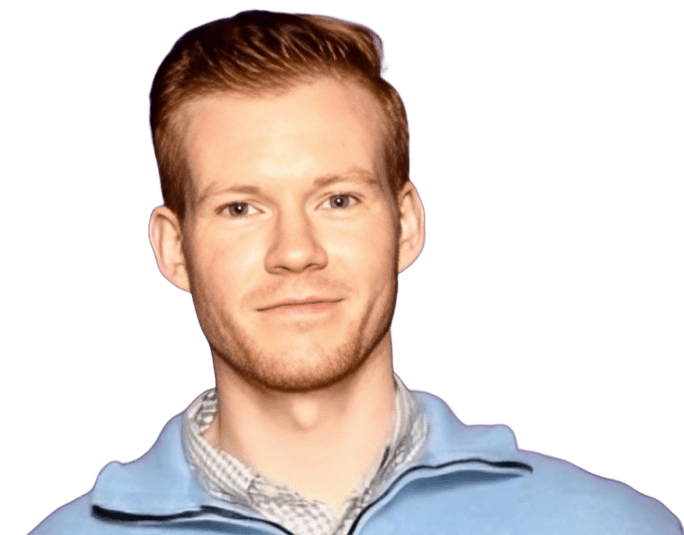

Tyler Axon
Company
BetHog
Location
Boston, Massachusetts, United States
Bio
Overseeing Partnerships, Influencer & Content Creator Sponsorships, and Affiliates
Overseeing Partnerships, Influencer & Content Creator...
description
BetHog is a crypto casino and sportsbook from the creators of FanDuel. Bring home that 🥓. And please gamble responsibly.
BetHog is a crypto casino and...
Follow the guest



Actionable Takeaways
Lead With Credibility When Trust is Your Biggest Barrier:
In markets flooded with anonymous competitors, BetHog weaponized their founders' FanDuel reputation by making leadership public-facing across podcasts, interviews, and social media. Their tagline "from the founders of FanDuel" isn't just positioning—it's a trust signal that directly addresses the crypto casino industry's biggest problem: anonymous operators. For startups in low-trust categories, founder visibility and track record become your primary marketing assets.
Rethink Your Entire Channel Mix When Your Audience Changes:
Moving from traditional bettors to crypto users required a complete marketing overhaul. TV commercials and radio ads that worked at BetMGM became irrelevant for Web3 consumers who live on X, Telegram, and Discord. Tyler's approach: meet crypto-native users where they consume content—through influencers, social media, and community channels—rather than forcing traditional channels onto a fundamentally different audience.
Navigate Platform Restrictions Through Legal Groundwork, Not Workarounds:
With crypto and gambling both facing advertising restrictions, BetHog invests significant time in legal approval processes for social media platforms rather than seeking shortcuts. This unsexy work—proving legitimacy to gatekeepers—unlocks access to mainstream channels competitors can't use. For regulated industries, your competitive advantage often comes from doing the boring compliance work others avoid.
Use Product Innovation as Your Marketing Hook:
BetHog created the first AI live dealer blackjack game—not just as a product feature, but as a marketing engine. Characters like Maria (who curses out players) generate organic viral clips on social media while differentiating BetHog in a crowded market. The lesson: in competitive categories, product innovation that's inherently shareable beats traditional advertising campaigns.
Turn Economic Advantages Into Customer Benefits:
Without credit card intermediary fees, BetHog can offer significantly better VIP benefits, kickbacks, and bonuses than traditional sportsbooks. They've made this economic structure central to their value proposition. Look for places where your business model creates structural advantages, then amplify these in your marketing rather than competing on conventional dimensions.
Build Community Before Scaling Acquisition:
Despite pressure to grow quickly, BetHog spent most of their first year perfecting product and fostering an intimate community through Telegram (now on-site chat) before ramping marketing spend. This "fundamentals first" approach ensures acquired customers actually retain. For startups, premature scaling before product-market fit wastes budget—Tyler's discipline to wait demonstrates mature growth thinking.
Optimize for Emerging Search Behaviors, Not Just Traditional SEO:
Tyler recognizes that crypto-savvy users increasingly ask ChatGPT "what's the best sportsbook?" instead of Googling it. BetHog is already thinking about how to appear in AI-generated rankings alongside traditional SEO. Forward-thinking marketers should optimize for LLM training data and citations, not just Google algorithms, as search behavior fundamentally shifts.
Leverage Web3-Native Data for Targeting:
On-chain wallet activity and crypto transaction data enable entirely new targeting approaches impossible in traditional gambling. While Tyler doesn't detail specific tactics (competitive advantage), the principle is clear: Web3 unlocks first-party data strategies that don't exist in Web2. Marketers entering crypto should explore wallet-based attribution and on-chain behavior signals rather than relying solely on traditional digital marketing data.
Conversation Highlights
In this episode of The Future of Marketing, host Anders Figueira interviews Tyler Axon, Head of Growth at BetHog, a crypto casino and sportsbook from the founders of FanDuel. BetHog is entering one of the most challenging marketing environments imaginable: combining crypto and gambling regulations while competing against established giants like Stake. With just 15 people, BetHog is building trust in a space flooded with anonymous crypto casinos by leveraging their team’s FanDuel pedigree, pioneering AI-powered gaming experiences, and completely reimagining digital marketing playbooks for Web3 consumers. Tyler shares how they’re navigating the shift from traditional regulated betting to global crypto gambling, where wallet data replaces credit cards, influencer marketing trumps TV commercials, and ChatGPT rankings matter as much as Google SEO.
Topics Discussed:
- Marketing crypto gambling under dual regulatory constraints
- Building trust and brand legitimacy in anonymous crypto casino markets
- Transitioning from Web2 (traditional betting) to Web3 (crypto) marketing strategies
- Product-first growth philosophy and timing market entry
- Leveraging AI for product differentiation and viral marketing content
- Adapting acquisition channels for crypto-native consumers
- Using founder credibility and transparency as marketing tools
- Token economics and airdrop programs as retention mechanisms